
Picking a new heating system isn’t as simple as it used to be. Twenty years ago, your choices were basically “gas furnace” or “gas furnace.” Now you’ve got standard efficiency furnaces, high-efficiency condensing furnaces, heat pumps, dual-fuel systems, boilers for radiant heat, and ductless mini-splits. Each one has trade-offs, and the right choice depends on your home, your budget, and what you’re actually trying to accomplish.
We installed a dual-fuel system for a couple in Saint John last year — a heat pump for the mild days, gas furnace backup for when it drops below 25 degrees. Their heating costs went down about 35% compared to running the furnace alone, and they got the AC side handled too, since the heat pump does both. That’s not the right fit for every home, but for theirs it was a no-brainer.
Gas furnaces remain the most common choice in Crown Point, IN, and across Northwest Indiana. NIPSCO natural gas is readily available in most neighborhoods, and modern furnaces with 96%+ AFUE efficiency are hard to beat for raw heating power in our cold winters. We install single-stage, two-stage, and variable-speed units depending on your comfort preferences and budget.
Heat pumps are gaining ground, especially with the newer cold-climate models that work efficiently down to -10°F or lower. If you’re building new or replacing both your furnace and AC, a heat pump system is worth a serious look. Boilers are another option — common in older Crown Point homes with radiator or baseboard heat. We install both standard and high-efficiency condensing boilers.
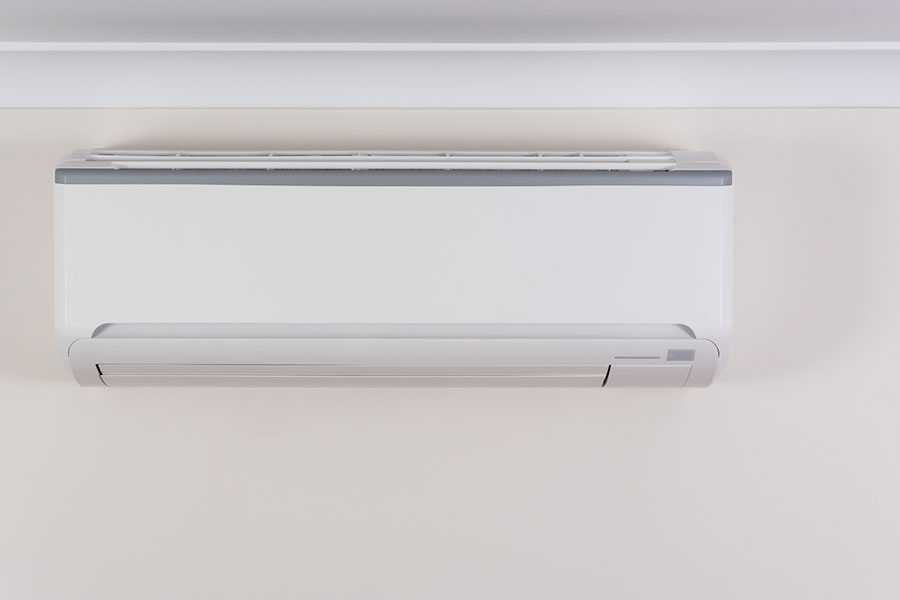
Ductless mini-splits are great for additions, converted garages, sunrooms, or older homes that don’t have ductwork. We can also use them to solve problems that your main system just can’t get comfortable with.
And regardless of the system type, we back our installations with responsive support, including 24/7 emergency services if something urgent ever comes up.
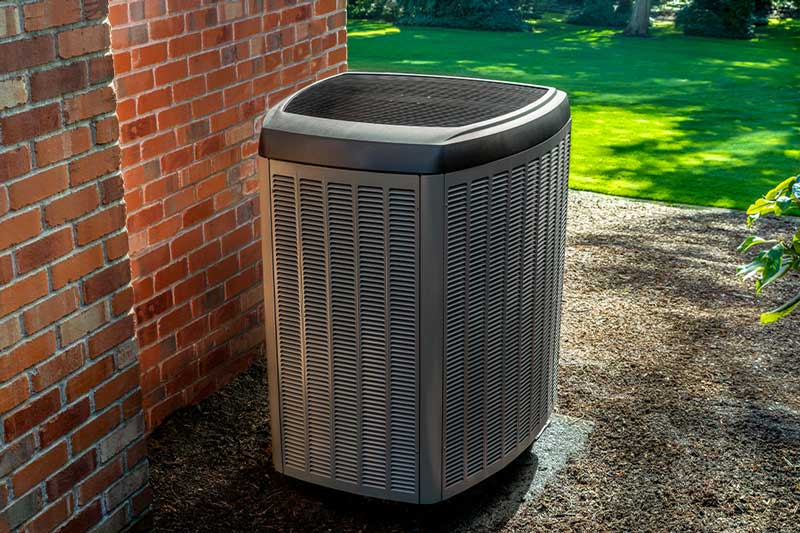
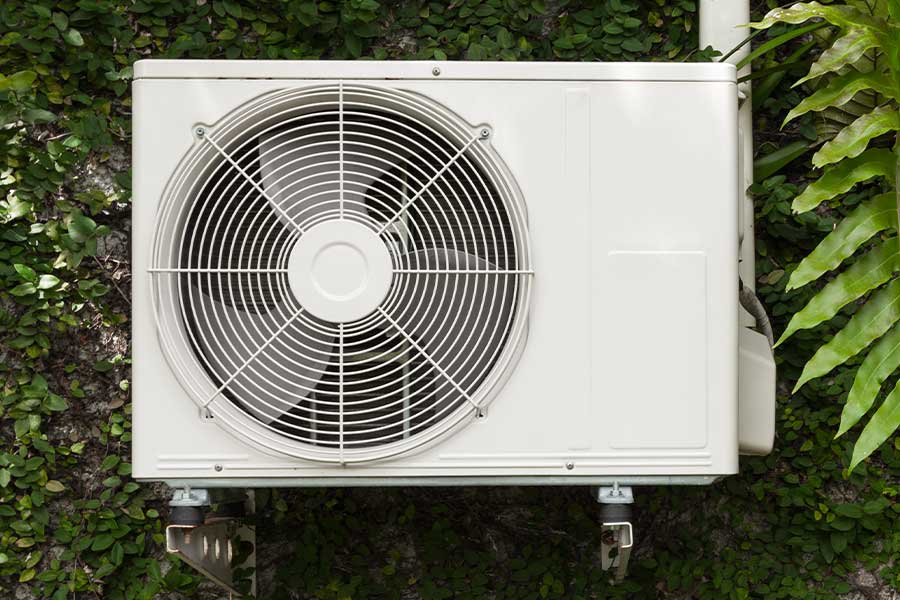
Every heating installation starts with a proper load calculation. This isn’t optional — it’s how we determine the right size system for your specific home. We look at square footage, insulation levels, window count and orientation, ceiling height, and how many levels your home has. An oversized system short-cycles and wastes energy. An undersized system runs constantly and never gets you comfortable. Both wear out faster than a properly sized unit.
After we’ve spec’d the right system, we schedule the install — most are completed in a single day for straightforward replacements. New construction or system-type changes (like going from a furnace to a heat pump) may take a day and a half. We handle all the permitting, make sure everything is up to code, and do a full commissioning test before we leave.
Crown Point’s climate requires heating systems that can handle both extended cold spells and rapid temperature swings. Lake effect weather patterns mean your system needs to perform reliably when temperatures drop quickly and stay low for days. We factor in these local conditions when sizing and selecting equipment for your home.

We offer free in-home estimates for any heating system installation. No pressure, no fake “today only” pricing. We’ll walk through your options, explain the pros and cons of each, and give you a written quote you can take your time with.
Call All American HVAC at 219-690-8930 to set one up. And if your current system has already stopped working, remember we provide 24/7 emergency services throughout Crown Point, Saint John, Cedar Lake, Lowell, Dyer, Schererville, Winfield, and Lake of the Four Seasons.
Need a new heating system? Call 219-690-8930 for a free estimate.
Most straightforward replacements are completed in one day. If you’re changing system types or installing new construction, expect a day and a half. We’ll give you a timeline during your estimate.
Yes. We handle all necessary permits and ensure your installation meets local building codes. This protects you and ensures your system is installed correctly.
We perform a professional load calculation based on your home’s square footage, insulation, windows, ceiling height, and layout. We don’t just match the size of your old unit because many homes have oversized or undersized equipment.
Standard furnaces operate around 80% AFUE, while high-efficiency models run at 96-98% AFUE. High-efficiency furnaces cost more upfront but typically save 20-30% on heating costs, paying for themselves over time.
Yes. Modern cold-climate heat pumps work efficiently down to -10°F or lower. For the coldest days, we often recommend dual-fuel systems that combine a heat pump with a gas furnace backup.
Service Areas