
Something’s off with your furnace, but you’re not sure what. Maybe it’s a sound that wasn’t there last week. Maybe it’s running, but the house still feels cold. Maybe it keeps shutting off and starting back up every few minutes. These are the calls we get all winter long from homeowners across Crown Point, Dyer, and Lake of the Four Seasons — and honestly, most of the time it’s something fixable once we figure out what’s actually going on.
And if your furnace stops working entirely during a cold snap, we provide 24/7 emergency services throughout Northwest Indiana to restore heat quickly and safely.
Our furnace diagnostic process isn’t just plugging in a meter and reading a code. Our technicians go through the entire system — electrical connections, gas pressure, airflow, ignition sequence, safety controls, heat exchanger condition, and thermostat calibration. We check things that a basic “tune-up” company would skip. The goal is to find exactly what’s wrong so we fix the actual problem, not just the symptom.
A diagnostic visit typically takes 45 minutes to an hour. You’ll get a clear explanation of what we found and what it’ll cost to fix. No jargon, no scare tactics.
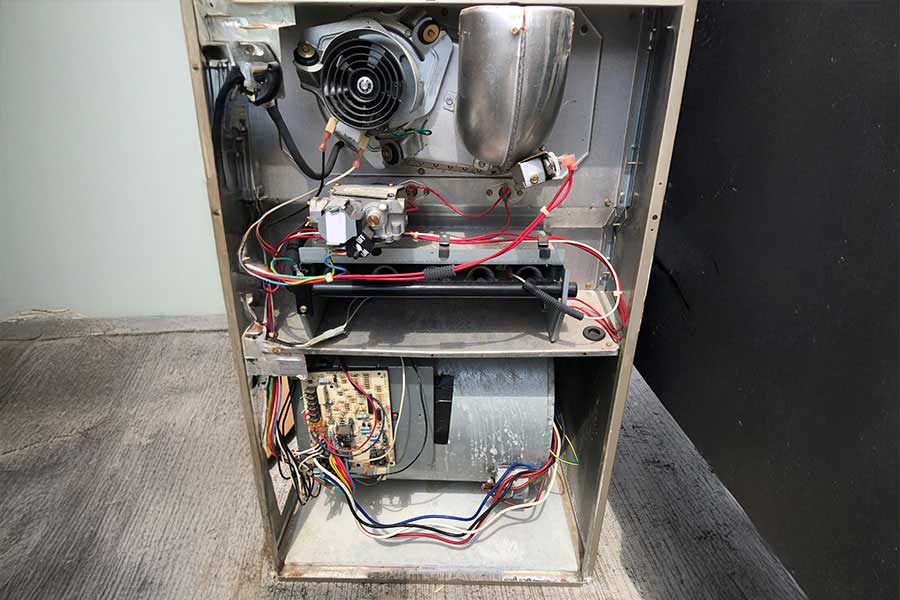
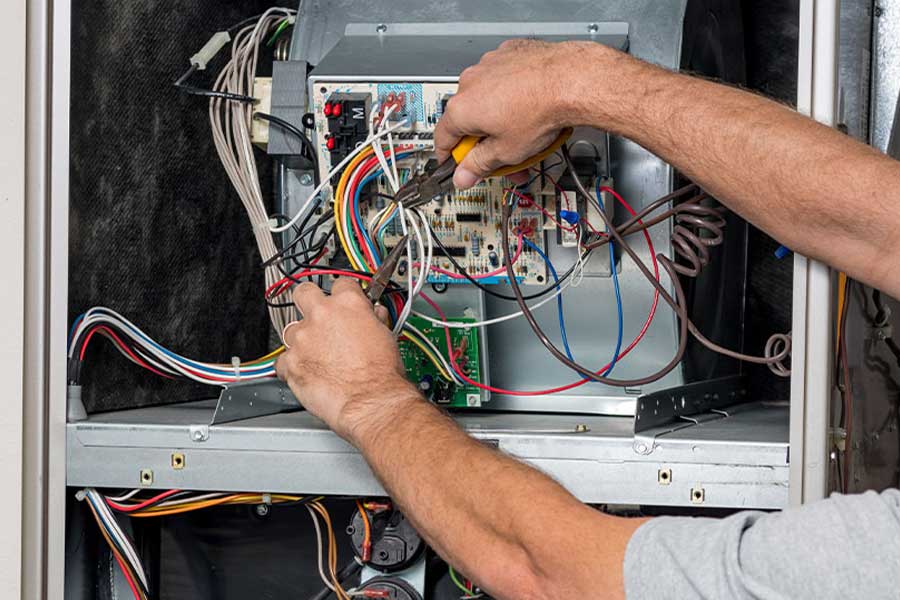
Furnace noises are one of those things where the sound itself tells us a lot about what’s failing. Different sounds point to different problems:
That banging noise needs attention quickly because it can crack the heat exchanger over time.
Short cycling is when your furnace runs for just a few minutes, shuts off, then starts again shortly after. It’s annoying, it wears out your system faster, and it runs up your energy bill because the startup cycle is the most energy-intensive part.
Common causes include:
We’ve seen short cycling caused by oversized furnaces pretty often in homes around Winfield and Crown Point, where the original installer put in a bigger unit than the house actually needs.
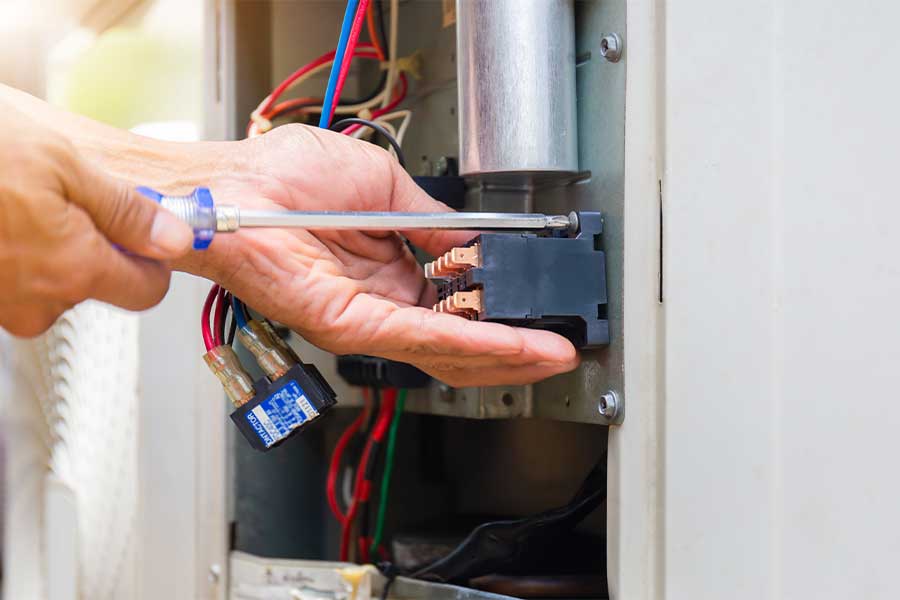
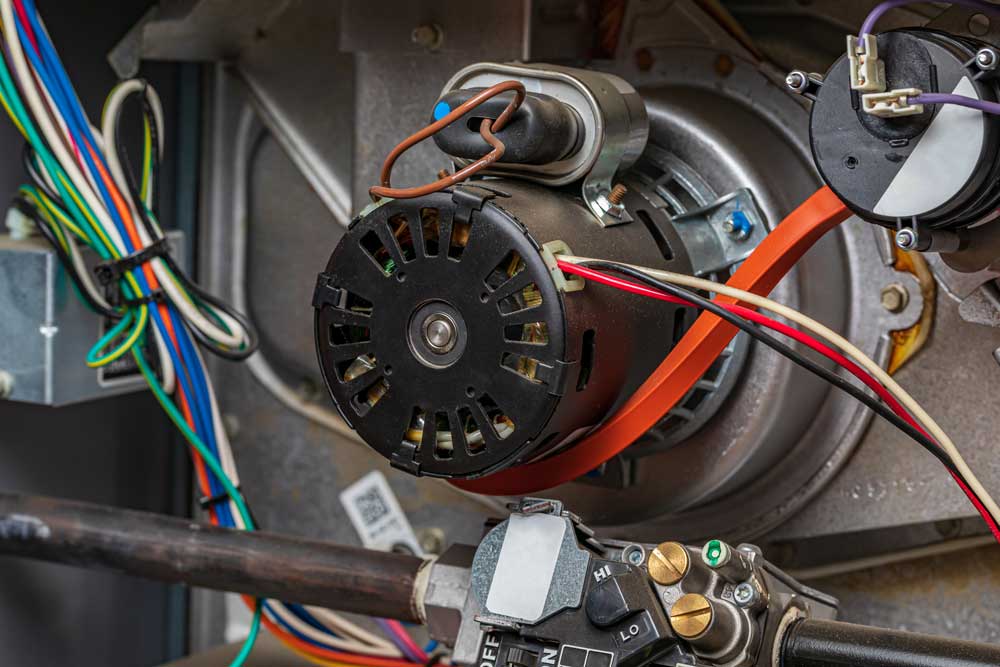
This is probably the most frustrating problem. You can hear the furnace running, the blower is pushing air, but the air coming out of your vents is cold or barely warm. A few things can cause this:
One thing we see more than you’d think — the thermostat set to “ON” instead of “AUTO.” When it’s set to ON, the blower runs constantly even when the burners aren’t firing, so you get cold air between heating cycles. Quick fix, but it fools a lot of people.
Every furnace diagnostic we do includes a safety check. We inspect the heat exchanger for cracks, check the flue and exhaust for proper venting, test gas connections for leaks, and measure carbon monoxide levels in the supply air and around the unit. Carbon monoxide is odorless and colorless — you can’t detect it without a proper instrument. We use professional-grade CO detectors that measure parts per million, not the basic residential detectors you get at the hardware store.
Crown Point’s winter weather creates conditions where furnaces run longer cycles and work harder to maintain temperature. When systems run continuously during cold snaps, small issues can turn into bigger problems quickly. Regular diagnostics catch these issues before they leave you without heat.
If you haven’t had your furnace inspected this season — or if you’re experiencing a no-heat emergency — call All American HVAC at 219-600-3120. We offer full diagnostics during regular hours and 24/7 emergency services when your situation can’t wait.
Something wrong with your furnace? Call 219-690-8930 for a diagnostic.
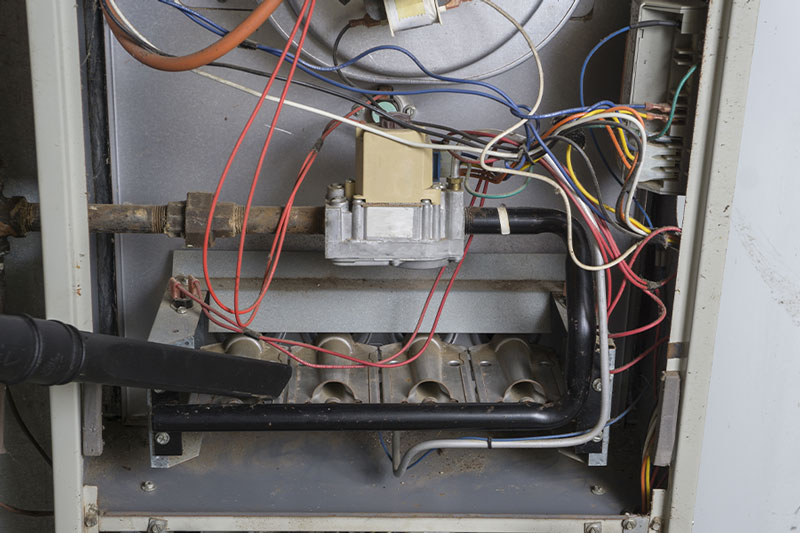
Our diagnostic service includes a thorough inspection of your entire heating system and takes 45 minutes to an hour. We provide a clear explanation of what we found and a written quote for any needed repairs.
You can check a few basic things like your thermostat batteries, air filter, and circuit breaker. But most furnace issues require professional tools and training to diagnose safely. Gas furnaces, especially, should be serviced by qualified technicians.
We recommend annual inspections before the heating season starts. Regular maintenance catches small problems before they become expensive repairs and ensures your system runs safely and efficiently.
Common causes include burners that won’t light, a thermostat set to ON instead of AUTO, a dirty flame sensor, gas supply issues, or a problem with the ignitor. Our diagnostic service will identify the exact cause.
Yes. Every diagnostic includes professional carbon monoxide testing using commercial-grade instruments that measure CO levels in parts per million. We also inspect your heat exchanger and venting system for any safety concerns.
Service Areas