

Imagine it’s a sweltering summer afternoon in Crown Point, IN, and your AC suddenly stops working. It’s frustrating, but knowing what to do before help arrives can make a significant difference. You need to act quickly and safely to prevent further damage or hazards. So, what steps should you take to guarantee your comfort and safety while waiting for a technician? Let’s investigate your options.
Recognizing the Signs of an AC Emergency
When your air conditioning system starts acting up, it’s crucial to recognize the warning signs of an emergency before your comfort is compromised.
If you notice strange noises like grinding or hissing, that’s a clear signal that something’s wrong. You may likewise see water pooling around the unit or experience inconsistent cooling, which can indicate a refrigerant leak or a malfunctioning component.
Don’t ignore sudden spikes in your energy bills, as they often suggest inefficiencies within the system.
If the AC unit emits a burning smell or if you see smoke, shut it down immediately—this could signal a serious electrical issue.
Finally, if the system runs constantly without reaching the desired temperature, it’s time to act. By recognizing these signs early, you can prevent further damage and guarantee your home stays comfortable. Regular professional inspections for AC issues are crucial to avoid larger, more expensive repairs.
Safety First: What to Do Before Calling for Help
Before you pick up the phone to call for emergency AC repair, it’s essential to prioritize your safety. Start by turning off the AC unit to prevent further damage or hazards.
If you smell gas or notice any unusual sounds, evacuate the area immediately and contact professionals. Verify your home’s electrical system is safe; check for any tripped breakers or burnt fuses.
If you see any water leaks, contain the area with towels or buckets to prevent slipping hazards. Keep windows open for ventilation if it’s safe to do so, as this can help manage heat.
Don’t attempt to fix any complex issues yourself, as this can lead to more danger. Wait for help to arrive, and communicate any important details about the situation to the technician when they do.
Additionally, while checking your system, take a quick look at the coils for any visible buildup of dust or dirt. Spotting this early can help you address potential efficiency issues later and may indicate that AC coil cleaning could be beneficial for maintaining optimal performance.
Temporary Solutions to Cool Down Your Space
If your AC breaks down unexpectedly, there are several temporary solutions to help cool down your space while you wait for professional assistance.
First, close all windows and doors to prevent warm air from entering. Use fans strategically; placing a box fan in a window can help draw in cooler air from outside. If it’s too hot outside, point fans toward you to circulate air.
You can additionally hang damp sheets in front of open windows to create a cooling effect as the breeze passes through. If you have access to ice or cold packs, place them in front of a fan to amplify the cooling effect.
Finally, avoid using heat-generating appliances like ovens or dryers to keep the temperature down. By implementing these temporary solutions, you can stay more comfortable until your AC is back up and running, especially if you consider energy-efficient models that can improve cooling efficiency in your home.
Information to Provide to Your HVAC Technician
Providing your HVAC technician with the right information can greatly speed up the repair process. Start by describing the issues you’ve noticed, like unusual noises, strange smells, or if the system is blowing warm air.
Let them know when the problem began and any changes you made leading up to the malfunction.
It’s additionally helpful to share your AC unit’s brand, model, and age, as this can influence the repair options. If you’ve had previous repairs, mention those too; this history can provide valuable insights.
Don’t forget to inform them about any recent maintenance, like filter changes, and whether your thermostat is working properly.
Finally, if you have an emergency contact number for further communication, provide that as well. This information helps your technician diagnose and fix the issue efficiently, ensuring a quicker return to comfort in your home.
Preventive Measures for Future AC Issues
To keep your AC running smoothly and prevent future issues, regular maintenance is essential. Start by changing or cleaning the air filters every one to three months. Dirty filters can restrict airflow and cause your system to work harder.
Schedule annual professional inspections to catch potential problems early. During these inspections, your technician will clean coils, check refrigerant levels, and verify all components are functioning properly.
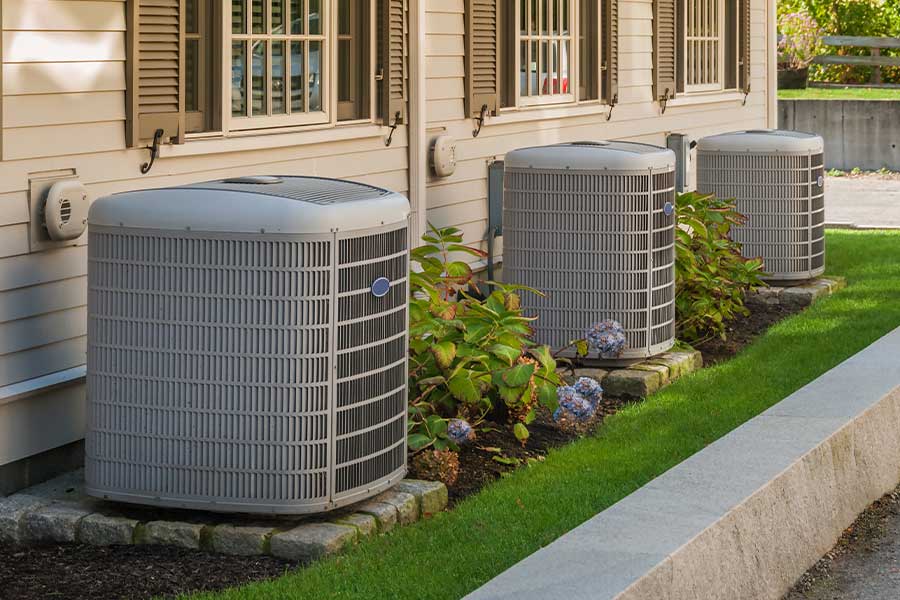
Keep the outdoor unit clear of debris, like leaves and branches, to maintain efficient airflow. Furthermore, consider investing in a programmable thermostat to optimize your system’s performance. This helps manage your energy use and reduces wear on your AC.
Lastly, familiarize yourself with your system’s manual, so you understand its specific needs. By taking these preventive measures, you’ll not only extend the life of your AC but also enjoy consistent comfort in your home.
Conclusion
In an AC emergency, staying calm and knowing what to do can make all the difference. By prioritizing safety and taking immediate action, like turning off the unit and checking for hazards, you set the stage for a smoother repair process. Remember, your HVAC technician is your modern-day knight in shining armor, ready to rescue you from the heat. Keep these tips in mind, and you’ll not only tackle this crisis but also prevent future ones.