
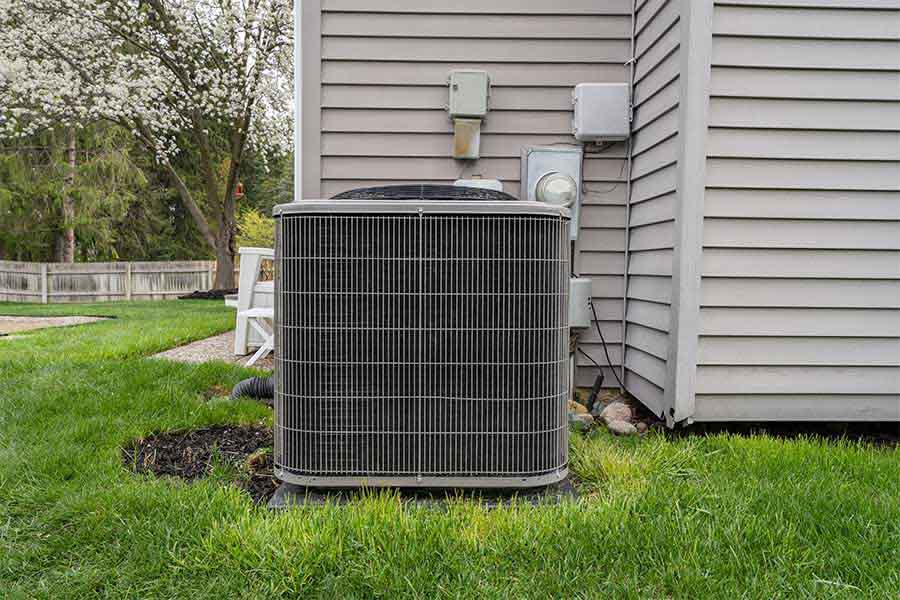
When your air conditioning system starts acting up during Dyer’s hot summer months, you might wonder how to check if the AC capacitor is bad. The capacitor is a crucial component that helps start and run the motors of your cooling system.
All American HVAC understands how important reliable cooling is for Dyer residents. Whether you need routine maintenance or emergency HVAC services in Dyer, IN, recognizing the warning signs helps you take action quickly. In this guide, All American HVAC will explain how to check if your AC capacitor is bad.
Recognizing Failing AC Capacitor Symptoms in Dyer Homes
Knowing how to check if the AC capacitor is bad helps you identify problems before they lead to complete system failure. Your capacitor stores electrical energy and releases it to start your compressor and fan motors. When this component begins failing, you’ll notice several distinct warning signs that shouldn’t be ignored.
Your Air Conditioner Won’t Start or Takes Forever To Work
A failing capacitor often struggles to provide the electrical boost needed to start your AC motor. You might notice your system taking longer than usual to turn on when you adjust the thermostat. Sometimes the unit won’t start at all, leaving you without cooling during Dyer’s humid summer days.
Strange Humming or Buzzing Noises
AC capacitor symptoms frequently include unusual humming or buzzing sounds coming from your outdoor unit. You’ll hear persistent noise when the capacitor can’t properly start the motor. These sounds indicate that the electrical component is struggling to function correctly and needs professional attention.
Your Energy Bills Keep Rising
One of the most common failed capacitor signs is unexpectedly high electricity costs, even when your usage habits haven’t changed. A bad capacitor forces your system to work harder, drawing more power to achieve the same cooling results. This inefficiency becomes expensive quickly, especially during Indiana’s peak cooling season.
Inconsistent Cooling Throughout Your Home
If you’re wondering how to check if your AC capacitor is bad, it’s likely because your home feels uncomfortably warm. Some rooms might feel warmer than others, or your system might cycle on and off frequently. This uneven cooling becomes particularly noticeable in Dyer’s larger homes.
Burning Smells From Your Outdoor Unit
A serious failed capacitor sign is any burning odor coming from your HVAC equipment. This smell often indicates overheating components or electrical problems that require immediate attention.
Never ignore burning smells, as they can signal dangerous conditions that require professional HVAC troubleshooting.
Physical Damage to the Capacitor Itself
A visual inspection might reveal a bulging capacitor or physical damage to the component. If the top of the capacitor appears swollen or you see fluid leaking around the base, you need to schedule repairs. These physical changes indicate internal failure and require an immediate replacement by a qualified technician.
Your System Keeps Breaking Down
Homes with aging air conditioning systems in Dyer often experience more frequent capacitor failures due to our intense climate. Repeated capacitor problems may indicate broader equipment deterioration that goes beyond single-component issues. At this point, investing in frequent repairs becomes less cost-effective than upgrading to a newer, more reliable cooling system.
Protecting Your AC Investment in Dyer
Regular air conditioning maintenance helps prevent capacitor failure and extends your system’s lifespan. Simple steps include:
- Regular filter changes: Replace filters every one to three months during heavy use periods.
- Annual professional inspections: Have qualified technicians check the electrical components and connections.
- Keeping outdoor units clear: Remove debris and vegetation from around your condenser unit.
- Monitoring system performance: Pay attention to changes in cooling efficiency or unusual sounds.
Professional technicians know how to check if the AC capacitor is bad through multimeter capacitor test procedures. They’ll also verify that the capacitor voltage rating matches your system’s requirements.
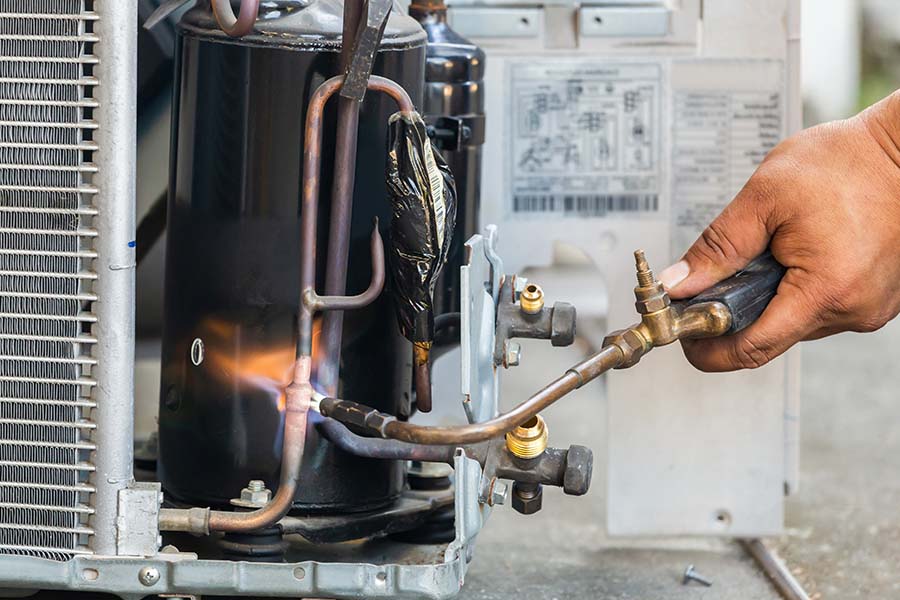
Your Trusted Dyer Heating and Cooling Experts
Professional HVAC troubleshooting requires specialized knowledge and equipment that most homeowners don’t possess. Attempting DIY repairs on electrical components like capacitors can be dangerous. Qualified technicians have the training and tools needed to safely diagnose and repair capacitor problems.
Our technicians understand the unique challenges that Dyer’s climate presents for HVAC systems. We’re familiar with the common issues that affect homes throughout Dyer and can quickly identify whether capacitor problems are causing your cooling troubles.
All American HVAC provides comprehensive cooling services that keep families comfortable throughout every season, understanding how the average AC unit lifespan affects your long-term comfort and budget.
Are you wondering how to check if your AC capacitor is bad? Contact All American HVAC to schedule a system inspection in Dyer, IN, today.