
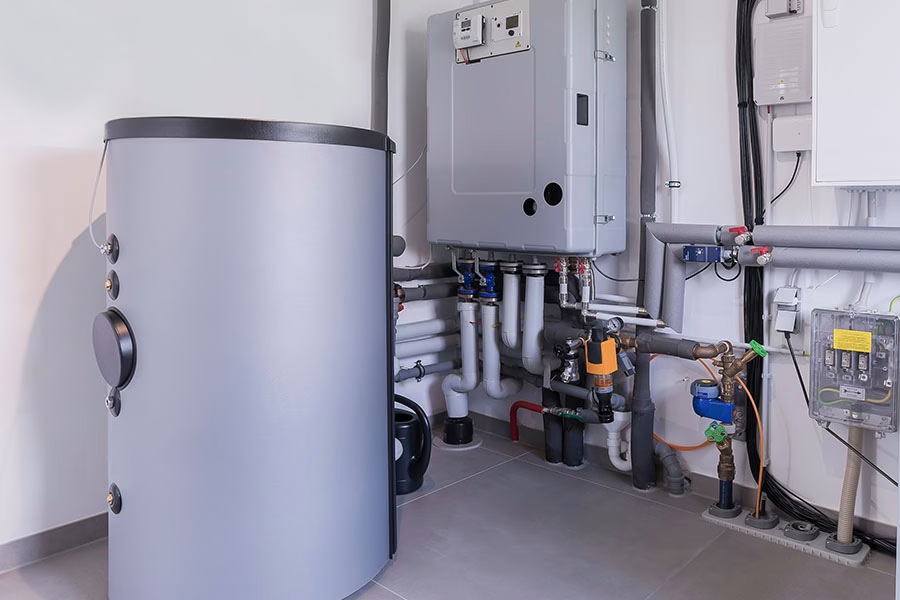
Like a ship in turbulent waters, a boiler can face a range of challenges that disrupt its smooth operation. You might notice leaks, unresponsive thermostats, or strange noises that hint at underlying issues. Tackling these problems can seem intimidating, but with the right approach, you can restore your boiler’s efficiency. Let’s explore the common issues and solutions that can bring your heating system back on course.
Identifying Boiler Leaks and Their Causes
When you notice water pooling around your boiler, it’s crucial to act quickly, as leaks can lead to significant damage and costly repairs.
Start by inspecting your boiler for visible signs of leaking. Check the pipes and connections for any wet spots or corrosion. A common cause of leaks is a faulty pressure relief valve; if it’s not functioning correctly, it might release water.
Another culprit could be a worn-out seal or gasket, which can deteriorate over time, allowing water to escape. Additionally, mineral buildup in the boiler can lead to overheating, resulting in leaks.
Don’t forget to examine the condensate pipe, especially during colder months, as it can freeze and cause blockages that lead to leaks. Timely intervention can prevent further damage and higher costs, so it’s essential to consult a professional service like All American HVAC to address the problem before it escalates. Your boiler’s efficiency and longevity depend on prompt action.
Addressing Unresponsive Thermostats
Have you ever walked into a chilly room only to realize your thermostat isn’t responding? It’s frustrating, but don’t panic!
Start by checking the power source. Confirm it’s plugged in and that any circuit breakers are functioning properly. If your thermostat uses batteries, replace them to rule out a power issue.
Next, examine the settings; make sure it’s set to “heat” and the desired temperature is higher than the current room temperature.
If it’s still unresponsive, try rebooting the device by turning it off for a few minutes and then back on. For smart thermostats, confirm your Wi-Fi connection is stable. Sometimes, a software update is needed. Additionally, be aware that energy-saving thermostats can lower utility bills and improve HVAC efficiency.
If these steps don’t work, it might be time to call a professional. At All American HVAC, we’re here to help with any thermostat issues you encounter. Don’t let a faulty thermostat keep you in the cold!
Fixing Low Pressure Issues in Boilers
If your boiler isn’t heating properly, low pressure might be the culprit.
First, check the pressure gauge on your boiler. Ideally, it should read between 1 and 1.5 bar when the system is cold. If it’s below this range, you’ll need to add water to the system.
Locate the filling loop, usually found beneath the boiler, and open the valve to let water in until the gauge reaches the appropriate level.
Once you’ve adjusted the pressure, close the valve securely. If the pressure drops again, there might be a leak in the system, which requires further investigation.
You can also bleed your radiators to release any trapped air. Use a radiator key to turn the bleed valve until water starts to flow.
If these steps don’t resolve the issue, consider calling a professional from All American HVAC for prompt assistance. Your comfort is their priority! Regular maintenance helps prevent unexpected breakdowns, ensuring your system remains efficient and reliable.
Resolving Strange Noises From the Boiler
Why does your boiler produce strange noises? These sounds often indicate underlying issues that need your attention.
For instance, if you hear banging or clanking, it might be a sign of trapped air or a malfunctioning component. You should check for air in the system and bleed your radiators if necessary.
Hissing or whistling noises could indicate a pressure problem or a leak, so take a moment to inspect the pressure gauge and verify it’s within the recommended range.
If you hear gurgling, it could mean water is boiling inside the system due to low water levels. Make sure the boiler’s water levels are adequate.
Finally, if you encounter any persistent or unusual noises, don’t hesitate to call your HVAC professional. With All American HVAC, you can rely on experienced technicians to diagnose and fix these issues quickly, ensuring your boiler runs quietly and efficiently. Regular maintenance can also help lengthen the lifespan of heating systems and prevent these problems from arising.
Ensuring Proper Ventilation and Airflow
Guaranteeing proper ventilation and airflow is essential for your boiler’s efficiency and longevity. When air can flow freely around your boiler, it helps maintain ideal operating temperatures and prevents overheating.
Start by checking for any obstructions around the boiler, like furniture or boxes, that could restrict airflow.
Next, inspect the ventilation ducts for dust or debris buildup. Clean them regularly to keep the air passage clear. Additionally, make sure that vents are open and functioning correctly; closed or damaged vents can lead to dangerous pressure buildups.
Consider installing an air quality monitor to track humidity and airflow levels. If you notice any irregularities, consult a professional.

Conclusion
Just as a gardener tends to their plants, nurturing them to thrive, you too can cultivate a healthy boiler by addressing its common issues. By inspecting for leaks, reviving unresponsive thermostats, and ensuring proper pressure, you’re sowing the seeds for warmth and comfort in your home. When strange noises arise, listen closely, for they may be whispers of help. With diligent care and attention, you’ll watch your boiler bloom into a reliable source of heat, nurturing your sanctuary.