
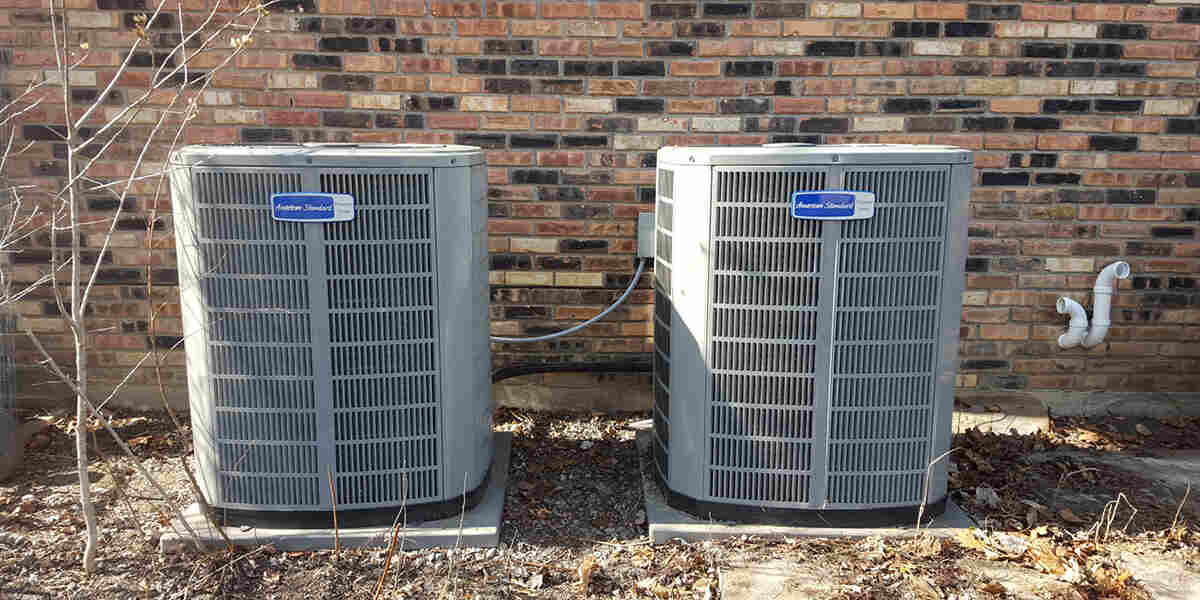
Knowing how to handle the crisis efficiently is vital when your air conditioning fails at the worst possible time. Start by evaluating the situation to identify signs of malfunction or airflow blockages. Make sure your thermostat is set correctly and functioning as it should. Next, inspect the power supply, checking for tripped circuit breakers or blown fuses. Look for visible issues like loose connections or dirty filters. Lastly, calling a professional technician for emergency repairs is necessary to prevent further damage. But what specific steps do you take to execute these actions effectively?
Assess the Situation
First, identify any obvious signs of malfunction in your AC unit. Begin by checking for airflow blockages, such as dirty filters or obstructed vents, which can impede the system’s efficiency. Next, listen for any unusual noises, such as rattling, hissing, or grinding sounds, that can indicate mechanical issues within the unit. Assess the ductwork integrity by inspecting for visible cracks or leaks, which could reduce cooling effectiveness and increase energy costs.
Refrigerant levels also play an important role in your AC’s performance. Low refrigerant might be the culprit if the air isn’t as cool as it used to be. Look for signs of refrigerant leaks, like oily spots on the unit or ice build-up on the refrigerant lines. Moreover, considering the system’s age, older units may struggle to maintain peak performance and might be due for an upgrade or more extensive repairs.
Check the Thermostat
After evaluating the physical components of your AC, shift your focus to the thermostat to ensure it’s functioning properly. Begin by checking the thermostat settings to confirm they are correctly adjusted. Confirm that the mode is set to ‘cool’ and the temperature is lower than the current room temperature. Sometimes, what appears to be an AC malfunction can simply be incorrect thermostat settings.
Next, consider battery replacement, especially if your thermostat isn’t hardwired. A low battery can lead to inaccurate readings or a complete shutdown, so replace the batteries if needed.
Temperature calibration is another critical step. Over time, thermostats can become miscalibrated, leading to inefficiencies. Follow the manufacturer’s instructions to recalibrate your thermostat and ensure it accurately reflects the room’s temperature.
Additionally, assess the thermostat placement. It should be located away from direct sunlight, drafts, or heat sources, as these can affect performance. Incorrect placement can cause false readings, leading to improper cooling.
Lastly, if you have a programmable thermostat, ensure it’s programmed correctly according to your schedule. Misprogramming can cause your AC to not run when you need it most. You can often resolve AC issues without extensive repairs by carefully checking these aspects.
Inspect the Power Supply
Check the circuit breaker and any associated fuses to ensure your AC unit is receiving power. Begin by locating your home’s electrical panel, often found in the basement, garage, or utility room. Open the panel and inspect the circuit breakers for any that may have tripped. If you find a tripped breaker, reset it by switching it off and then on again. This simple action could restore power to your AC unit.
Next, if your home uses a fuse box instead of circuit breakers, you must check for blown fuses. Carefully remove and inspect each fuse related to your AC system. A blown fuse will typically have a melted or broken metal strip inside. Replace faulty fuses with new ones of the same rating to ensure proper function.
Consider whether a recent power outage or surge could have impacted your AC unit. These events can sometimes cause tripped breakers or blown fuses. If you suspect a power surge, installing surge protectors to safeguard your AC and other critical appliances in the future may be wise.
Look for Visible Issues
While inspecting your AC unit, watch for any visible signs of damage or wear that could affect its performance. This step is vital in diagnosing potential problems before they escalate into more significant issues. Carefully examine the unit and check for the following:
- Loose connections: Inspect all electrical connections to make sure they are secure. Loose connections can lead to intermittent power failures or even short circuits, posing a risk to the unit and the home’s electrical system.
- Clogged filters: Dirty or clogged filters can significantly reduce the efficiency of your AC unit and restrict airflow, leading to uneven cooling. Regularly cleaning or replacing filters can help maintain peak performance and reduce energy consumption.
- Blocked vents: Ensure that all air vents are free of obstructions. Blocked vents can force the system to work harder, causing unnecessary strain and potential damage over time.
Listen for any unusual noises from the unit, indicating underlying mechanical issues. Also, check the refrigerant levels, as low refrigerant can compromise the cooling ability of your AC system. By addressing these visible issues promptly, you can help ensure that your AC unit runs smoothly and efficiently, providing comfort and relief to those you serve.
Call a Professional Technician for 24/7 AC Repair
When you’ve exhausted all DIY options, and your AC unit still isn’t functioning properly, it’s time to call a professional technician. Certified technicians offer the emergency services you need 24/7, ensuring your problem is addressed promptly. Their certified expertise means they possess the necessary troubleshooting skills to diagnose and fix issues you might overlook, quickly providing a reliable solution.
Professional technicians often offer maintenance plans, allowing you to schedule regular check-ups that can prevent future breakdowns and ensure your AC unit runs smoothly year-round. This proactive approach not only extends the life of your unit but also keeps your home comfortable and your energy bills manageable.
Moreover, hiring a professional safeguards your warranty coverage. Attempting repairs or using uncertified services can void warranties, leaving you to cover costly repairs out-of-pocket. A certified technician ensures your warranty remains valid, providing peace of mind and financial protection.
Conclusion
By following these five key actions—assessing the situation, checking the thermostat, inspecting the power supply, looking for visible issues, and calling a professional technician—you’ll master handling AC crises, even in the dead of night. Don’t let a malfunctioning AC turn your home into a sweltering inferno. Instead, take control and guarantee your system is up and running smoothly around the clock, ensuring comfort and peace of mind.
Author Bio:
Rick Moro
As the proud owner of All American HVAC, a leading heating and air conditioning company based in Crown Point, Indiana, I’ve dedicated my career to ensuring our community enjoys the comfort and reliability of top-tier HVAC solutions.
Frequently Asked Questions
Major AC repair costs vary widely. To save money, consider repair warranties and seasonal discounts. Check contractor availability and be aware of emergency fees. Service contracts can additionally help manage expenses efficiently.