
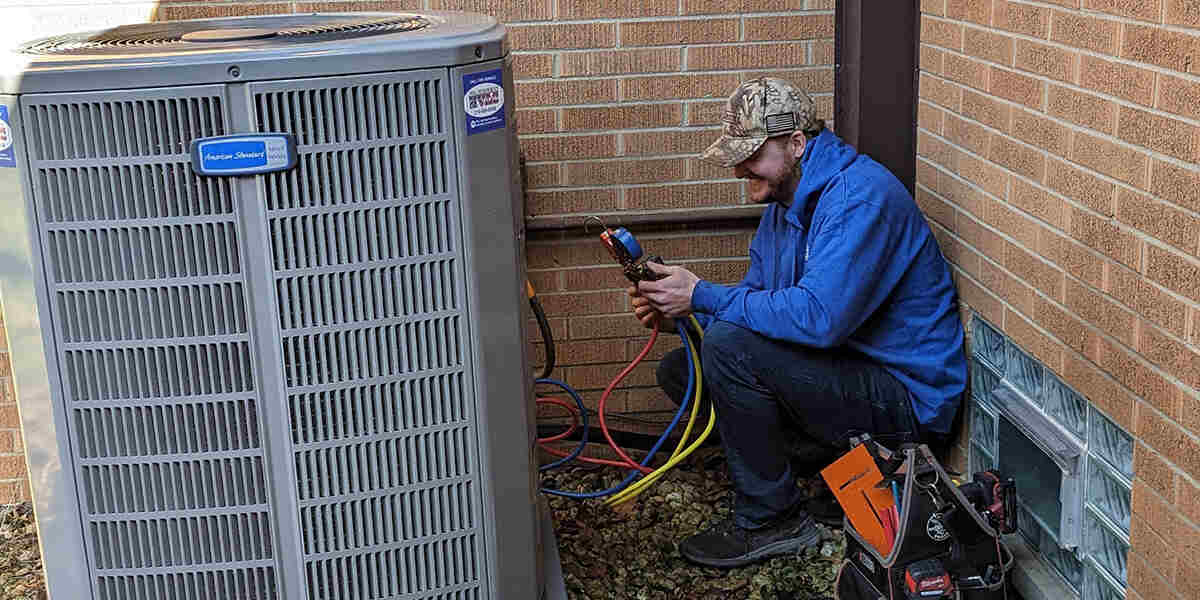
When it comes to maintaining your air conditioner, regular upkeep is essential to ensure it runs efficiently and lasts longer. You might already know the basics, like changing filters, but there are other critical tasks you shouldn’t overlook. Have you ever considered how important it is to inspect and clean the coils or check your thermostat settings? These steps, among others, can prevent unexpected breakdowns and improve your indoor air quality. Are you curious about what else you might miss in your AC maintenance routine? Let’s investigate the nine critical tasks that keep your system in shape.
Clean or Replace Filters
To keep your AC running efficiently, regularly cleaning or replacing its filters plays a crucial role in AC maintenance. Several filter types are available, including fiberglass, pleated, and high-efficiency particulate air (HEPA) filters. Each type has its benefits, such as trapping different particle sizes and improving indoor air quality. Understanding the cleaning frequency for each is essential; typically, fiberglass filters need attention every 30 days, pleated filters every 90 days, and HEPA filters every 6 to 12 months.
Regularly maintaining these filters offers numerous benefits, including improved airflow, increased energy efficiency, and reduced strain on your AC unit, all contributing to the crucial role of AC maintenance. These advantages, in turn, help prolong the lifespan of your system, ensuring it serves effectively for years. Replacement costs vary depending on the filter type and brand, with fiberglass filters being the most affordable and HEPA filters on the higher end. Investing in a higher-quality filter can save money in the long run by reducing the need for frequent replacements and costly repairs.
Knowing the filter lifespan and adhering to a consistent maintenance schedule will optimize your AC’s performance and contribute to a healthier living environment for those you serve.
Check Thermostat Settings
Guaranteeing precise thermostat settings can significantly boost your AC’s efficiency and comfort levels in your home. Proper thermostat management starts with understanding the different types of thermostats available. Programmable thermostats allow you to set schedules for when your AC should run, optimizing energy use and comfort. Smart thermostats take it a step further by automatically learning your habits and adjusting settings.
You must perform regular temperature calibration to ensure your thermostat is working correctly. A poorly calibrated thermostat can cause your AC to run too often or not enough, wasting energy and reducing comfort.
Here are four crucial steps to check your thermostat settings:
-
- Confirm thermostat placement: Make sure your thermostat is not near heat sources like lamps or direct sunlight, which can affect its readings.
-
- Inspect thermostat compatibility: Ensure your thermostat is compatible with your AC system to avoid operational issues.
-
- Review programmable settings: Regularly update your thermostat’s schedule to match your current lifestyle and occupancy patterns.
-
- Utilize innovative features: If you have a smart thermostat, use its features to optimize your system’s efficiency and maintain a comfortable environment.
Inspect and Clean Coils
Regularly inspecting and cleaning your AC coils can significantly improve your unit’s efficiency and lifespan. Begin by turning off the power to your AC unit to guarantee safety. Check the coil positioning to make sure it’s secure and hasn’t shifted, which can lead to inefficient cooling. Examine the coils for signs of coil corrosion, which can compromise the unit’s performance and lead to costly repairs. If you notice any damage, it’s vital to address it promptly.
Next, gently clean the coils using a soft brush or a specialized coil cleaner to remove any accumulated dirt and debris. This step is essential because dirty coils can obstruct airflow, reducing efficiency and increasing energy consumption. Moreover, ensure the coil insulation is intact, as damaged insulation can lead to energy loss and reduced effectiveness.
Watch for any signs of coil vibration during operation, as this can indicate a need for repositioning or additional support to prevent long-term damage. Proper maintenance of the coils can significantly extend the coil lifespan, ensuring that your AC unit remains functional and efficient for many years. By taking these steps, you improve your AC’s performance and serve those who rely on a comfortable, relaxed environment.
Clear Debris From Unit
Clearing debris from your AC unit is crucial for maintaining efficient airflow and performance. You need to pay attention to the unit placement and surrounding environment to guarantee your system operates smoothly. Debris removal should be part of your regular seasonal maintenance routine, particularly for outdoor units.
Here are four key steps to follow for effective debris removal:
-
- Outdoor Clearance: Trim back any branches, grass, or plants within a two-foot radius of your unit. This will prevent leaves and other debris from obstructing airflow.
-
- Protective Cover: When the unit is not in use, especially during the off-season, use a breathable protective cover. This helps keep dirt and debris from accumulating inside.
-
- Inspect Regularly: Check the unit frequently for debris buildup. Using a soft brush or vacuum, remove leaves, twigs, and other refuse from around the base and in the fins.
-
- Seasonal Maintenance: Clean the area at the start and end of each season to make sure the unit remains free from debris throughout the year.
Check and Seal Ducts
Checking and sealing ducts is vital to maximize your AC system’s efficiency and reduce energy costs. First, inspect your ductwork for any visible signs of damage or leaks. Use a flashlight to thoroughly check all accessible areas, paying close attention to joints and connections. If you find any issues, sealing leaks with duct sealing tape or mastic will help prevent air from escaping, improving airflow efficiency.
Next, evaluate the integrity of your ductwork. Confirm that no gaps, cracks, or loose sections could compromise the system. Proper duct insulation, particularly in unconditioned spaces like attics or basements, is also crucial to maintaining consistent temperatures and preventing energy loss.
Verify Refrigerant Levels
To guarantee your AC system operates efficiently, you must confirm that the refrigerant levels are within the manufacturer’s recommended range. Start by conducting pressure checks using refrigerant gauges to determine if the levels are correct. If the pressure is too low, your AC won’t cool effectively; if it’s too high, it may damage the system.
Here’s a step-by-step process to verify refrigerant levels:
-
- Identify the coolant type: Different AC systems use different types of refrigerants. Make sure you know which type your system uses.
-
- Use refrigerant gauges: Attach the gauges to the service ports on your AC unit to check the pressure levels. Ensure the readings match the specifications in your unit’s manual.
-
- Check for refrigerant leaks: Inspect the system for any signs of leaks, as these can cause the refrigerant levels to drop over time. Look for oily residue or listen for hissing sounds.
-
- Perform a system recharge: If the refrigerant levels are low, recharge the system with the correct coolant type. This step should only be carried out if you’re confident in your ability to do so safely.
Inspect Electrical Components
After confirming the refrigerant levels, it’s just as vital to inspect the electrical components to ensure your AC system runs smoothly. Start by checking all electrical connections to ensure they’re tight. Loose connections can cause your system to malfunction or stop working entirely. Look for any frayed wires, which can pose a significant safety risk and lead to electrical fires if not addressed promptly.
Next, examine the circuit breakers and fuses. These components are essential for protecting your AC system from electrical overload. If a breaker frequently trips or fuses blows, it could indicate a more profound issue requiring professional assessment. Another critical component to inspect is the capacitor. Capacitor issues often manifest as your AC struggling to start or failing to run efficiently. Ensure the capacitor is in good condition and replace it if necessary.
Lastly, check for voltage stability. Inconsistent voltage can harm your AC’s electrical components and reduce its lifespan. Use a multimeter to measure the voltage and ensure it remains within the manufacturer’s recommended range. By inspecting these electrical components, you’ll help ensure your AC system operates safely and efficiently, serving others effectively through consistent performance.
Lubricate Moving Parts
Properly lubricating the moving parts of your AC system guarantees smooth operation and reduces wear and tear. Neglecting this vital task can increase part friction, causing components to degrade faster. To keep your system running efficiently, you must focus on critical areas like bearing lubrication, motor oiling, and fan greasing. Establishing a reliable lubrication schedule ensures you don’t miss any critical maintenance.
Here’s a simple checklist to help you keep track:
-
- Bearing Lubrication: The motor and fan bearings can dry out, leading to friction and wear. Use the appropriate lubricant recommended by the manufacturer.
-
- Motor Oiling: Apply oil to the motor’s designated ports, reducing friction and prolonging the motor’s life.
-
- Fan Greasing: Grease the fan’s moving parts to ensure smooth operation. This reduces noise and prevents the fan from seizing up.
-
- Lubrication Schedule: Develop and stick to a regular schedule, checking and lubricating parts at least once a year or as recommended by the AC’s manual.
Test System Performance
Once you’ve lubricated the moving parts, it’s time to test your AC system’s performance to ensure it’s running smoothly. Start by conducting an airflow measurement. This will help you determine if air flows efficiently through the system. You can use an anemometer to measure the airflow velocity at various points, such as the intake and output vents.
Next, move on to efficiency testing. This involves checking the system’s energy consumption compared to its cooling output. A properly functioning AC unit should operate close to its designed specifications. If you notice any discrepancies, it may indicate underlying issues that need addressing.
Performance diagnostics are crucial for identifying potential problems before they become major issues. Use specialized tools to examine components like the compressor, condenser, and evaporator. Compare their performance against operational benchmarks to ensure they’re working within acceptable parameters.
Conclusion
By diligently cleaning or replacing filters, checking thermostat settings, inspecting and cleaning coils, clearing debris from the unit, checking and sealing ducts, verifying refrigerant levels, inspecting electrical components, lubricating moving parts, and testing system performance, you guarantee your AC runs efficiently and lasts longer. These tasks prevent breakdowns, improve indoor air quality, and save on energy costs, making regular maintenance indispensable for peak air conditioning performance. Stay proactive, and you’ll reap the benefits of a well-maintained system.
Author Bio:
Rick Moro
As the proud owner of All American HVAC, a leading heating and air conditioning company based in Crown Point, Indiana, I’ve dedicated my career to ensuring our community enjoys the comfort and reliability of top-tier HVAC solutions.
Frequently Asked Questions
To decrease your AC’s energy consumption, lower your thermostat settings, check duct insulation, use efficient windows, and install smart thermostats. Conduct energy audits to identify inefficiencies and prioritize improvements, benefiting those you serve.
When your AC is running like a clunky old car, it’s crying out for a tune-up. Look for unusual noises, uneven cooling, increased energy bills, frequent cycling, or bad odors. Address these issues to keep serving others comfortably.
Yes, you can safely perform some maintenance tasks yourself. Replace filters regularly, clean the condenser, calibrate the thermostat, inspect the fan, and straighten any bent fins. These tasks help guarantee your AC serves others efficiently.
Prevent mold like a pro by replacing air filters regularly, cleaning drain pans, installing UV lights, and cleaning coils. Don’t forget to check the air ducts for moisture. Your AC will thank you, and so will your family!